Essential Foods to Eat After Oral Surgery for a Smooth Recovery
Introduction to Recovery
- After oral surgery, it’s crucial to eat soft foods to support the healing process and reduce irritation on the surgical site.
- A soft food diet is essential for proper healing and to prevent complications after oral surgery. During the initial recovery period, patients should stick to only soft foods to promote healing and avoid damaging the surgical area.
- Eating soft foods helps protect bone and gum tissues during recovery and ensures a smooth transition back to normal eating habits.
- Choosing the right soft foods with high nutritional value keeps you full, provides essential nutrients, and aids in proper healing after surgery.
- It’s essential to follow specific instructions from your oral surgeon for a smooth recovery.
Hydration and Fluid Intake After Oral Surgery
- Staying hydrated is essential after oral surgery to support the healing process and ensure proper healing of the surgical site.
- Drinking plenty of fluids, such as water, clear broths, and electrolyte-rich beverages like coconut water or sports drinks, helps keep your mouth moist and encourages healing. Consider protein supplement beverages such as Carnation Instant Breakfast, Ensure, and Sustical.
- Choose warm drinks, such as herbal tea or warm broth, to soothe the gum tissue and reduce discomfort without irritating the area.
- Avoid carbonated beverages, hot beverages, and drinks with high sugar content for five days, as these can irritate the gum tissue and disrupt the recovery process.
- Steer clear of acidic foods and drinks, including orange juice and tomato sauce, since they can cause irritation and slow down the healing process.
- Remember to avoid drinking through a straw for 5 days, as this can dislodge the blood clot and increase the risk of dry socket, which can delay the healing process.
- By prioritizing hydration and making informed dietary choices, you can promote a smooth recovery, reduce the risk of complications, and encourage proper healing after oral surgery.
Foods to Eat After Surgery
- Incorporate soft foods like mashed potatoes, scrambled eggs, and cottage cheese into your diet to provide essential nutrients while supporting hydration and recovery.
- A balanced diet that includes healthy fats, protein-rich foods, and complex carbohydrates will further promote healing and help you regain strength after surgery. Any firm food can be placed in a blender to enhance nurtition.
- Always follow your oral surgeon’s specific instructions regarding fluid intake and dietary choices to ensure a smooth recovery and prevent complications.Soft foods like cottage cheese, mashed potatoes, and soft cooked vegetables are ideal for eating after dental surgery. Anything you can easily mash with your fork are soft enough to eat. You can combine these options to create a hearty meal that is gentle on healing tissues.
- Foods to eat after surgery should be nutritious and require minimal chewing to support the healing process.
- Eat soft foods that help prevent irritation of open wounds in the mouth and contribute to overall health and recovery after dental surgery.
1. Smoothies
Smoothies are refreshing and loaded with nutrients. These are some of the most preferred foods for many individuals, especially after the wisdom tooth extraction surgery. The best thing about smoothies is their versatility. You can combine not only your favorite fruits but even a few vegetables to make them more energizing.
Here’s a tip: add some yogurt to reduce the acidic nature of the drink to make it soothing for your gums. Avoid using a straw as it might increase the risk for dental complications right after surgery.
2. Bananas
Many oral surgery specialists recommend eating bananas after the surgery. The soft texture is easy to chew and doesn’t irritate your gums. Bananas are loaded with minerals and vitamins, including folate, manganese, vitamin B6, and potassium, which are good for your oral health.
Here’s a tip: Mash the bananas to make the texture softer and prevent any discomfort.
3. Blended Soups
Blended soups, like pumpkin or tomato soup, are another delicious thing you can enjoy after your wisdom teeth surgery. Soups are loaded with minerals and vitamins to make up for the recommended daily nutrition requirements when you can’t consume proper meals.
Blended soups don’t contain bits that could irritate your gums and also ensure you stay hydrated.
Here’s a tip: make sure the soup is either cold or lukewarm, as hot ones can lead to irritation.
4. Greek Yogurt
Greek yogurt is packed with protein, minerals, and vitamins, making it a perfect food to enjoy after your dental surgery.
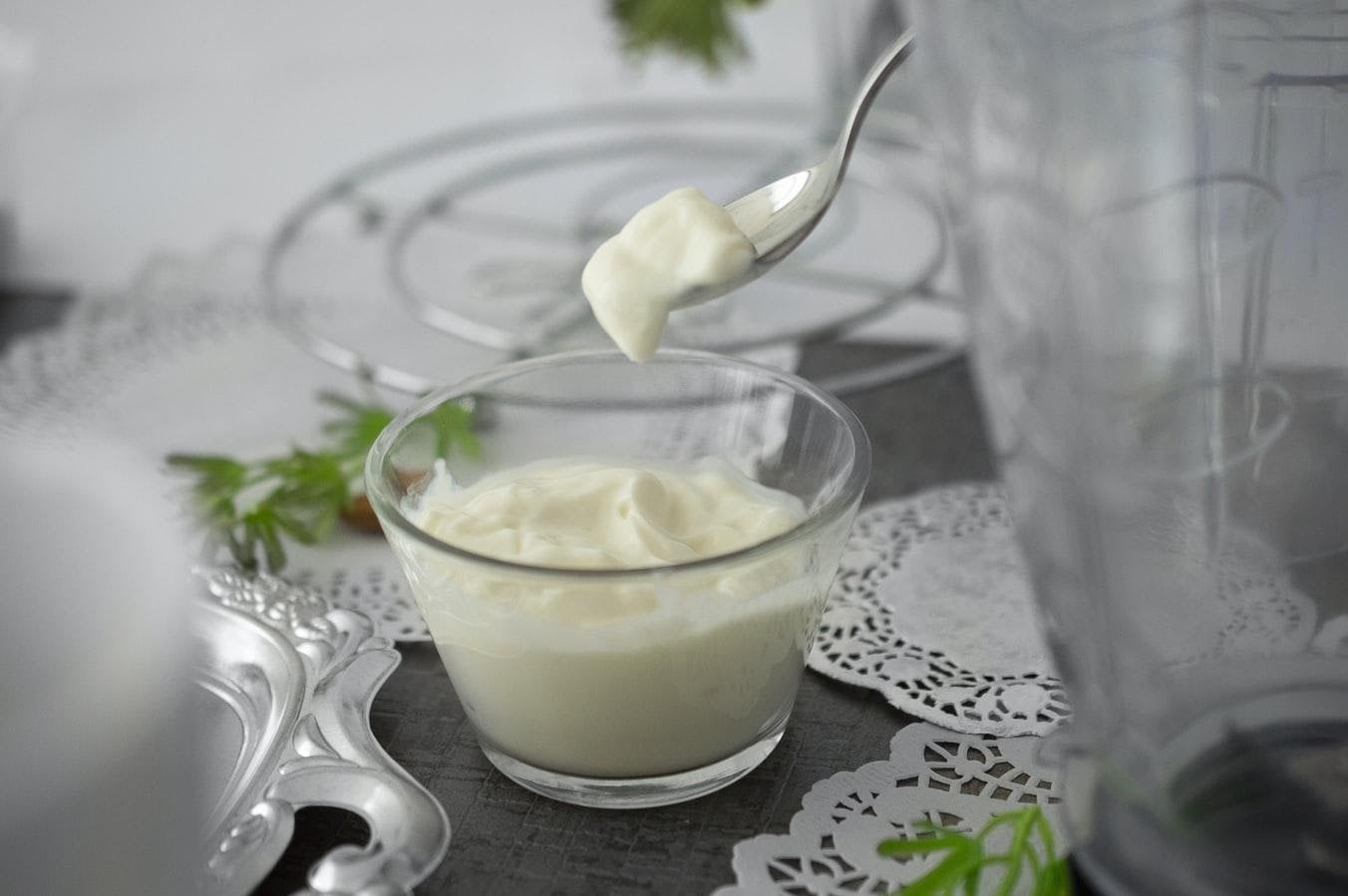
The creamy and smooth texture soothes your mouth and reduces irritation or discomfort.
Here’s a tip: go for flavored Greek yogurts to add more variety to your diet. You can even add mashed bananas to the yogurt to make it more nutrient-packed.
5. Mashed Potatoes
Potatoes are certainly versatile and can be the ultimate comfort food. You can still enjoy potatoes after your wisdom tooth extraction surgery by boiling and mashing them. They are rich in nutrients and calories that can aid the recovery process.
Here’s a tip: hot foods can irritate the surgery wound. Make sure the potatoes are cold or lukewarm.
Dental Work and Diet
- Specific dental procedures, such as dental implant placement, wisdom tooth extraction, and periodontal surgery, may have unique dietary requirements, often necessitating a soft food diet to promote healing.
- Eating soft foods ensures proper healing and supports the recovery process after dental surgery.
- Avoid certain food groups that can disrupt the healing process after dental surgery, such as spicy foods and acidic foods.
- Drink warm drinks and eat warm soups to aid the recovery process and prevent irritation.
- Follow a soft food diet to reduce irritation on open wounds and prevent biting on treated teeth after oral surgery.
Foods to Avoid for a Minimum of Five Days
- Avoid certain foods, especially hard, crunchy, and sticky foods that can disrupt the healing process after dental surgery.
- Avoid Carbonated beverages for 5 days as the carbonation can delay healing.
- Avoid biting down on hard foods to protect healing tissues and prevent irritation or injury to the surgical site.
- Do not drink from a straw for a week to prevent dislodging the blood clot and causing dry socket.
- Avoid smoking for at least 48 hours post-oral surgery to support proper healing and prevent complications.
- Steering clear of harmful foods and habits reduces complications during recovery and promotes a smooth healing process.
- Avoid foods that can interact negatively with post-surgery medications, such as tomato sauce and other acidic juices.
Introducing New Foods
- After three to five days, as the pain and swelling begin to subside, slowly introduce foods with more firm consistency as your pain level allows.
- Your dental surgeon will advise when to reintroduce hard or crunchy foods after surgery, usually after the initial healing process.
- Follow specific instructions from your oral surgeon to protect your mouth during healing and prevent complications.
- Proper aftercare helps keep your mouth healthy and supports the healing process, including introducing new foods gradually.
- Gradually return to a regular diet as recommended by your dental professional to ensure a smooth transition.
- Start with soft foods like Jell-O, mashed avocado, and smoothies before introducing harder foods.
Dental Implants and Diet
- Dental implants require a soft food diet to support the healing process and prevent complications.
- Eating soft foods after dental implant surgery helps reduce irritation on the surgical site and promotes healing.
- Avoid certain dairy products that may interfere with healing and medication effectiveness after dental surgery, such as hard cheeses and milk.
- Soft dairy foods like Greek yogurt and cottage cheese are generally safe and easy to consume after dental implant surgery.
- Follow a balanced diet with enough calories and protein to support healing after oral surgery.
Soft Food Options
- Soft food options include mashed potatoes, soft-cooked vegetables, cottage cheese, and scrambled eggs.
- Choose soft foods that are easy to chew and swallow, such as smoothies, yogurt, and oatmeal.
- Avoid foods that require much chewing, such as raw vegetables and hard fruits.
- Opt for soft, cooked foods like chicken salad, split pea soup, and mashed avocado.
- Consider protein powder mixed with milk or water for an easy protein source.
Avoiding Irritating Foods
- Avoid sticky foods like caramel, taffy, and dried fruits that can dislodge dental work and irritate the surgical area.
- Avoid hard foods like nuts, seeds, chips, and crackers that can irritate or injure healing tissues after dental surgery.
- Avoid spicy and acidic foods that can irritate the surgical site and prolong the healing process.
- Avoid foods that can cause inflammation, such as popcorn kernels, which can get stuck in the surgical site.
- Avoid drinking milkshakes and other sugary drinks that can increase the risk of gingivitis and dental decay.
Returning to Normal Diet
- Your oral surgeon or dentist will advise when to reintroduce crunchy or hard foods after surgery.
- Follow specific instructions from your healthcare provider about the soft food diet duration.
- Adhering to aftercare guidelines helps keep your mouth healthy during the healing process.
- Always seek professional advice for oral health concerns after dental surgery, including guidance on returning to a normal diet.
- Gradually introduce new foods to prevent discomfort and complications.
Tips for a Smooth Recovery
- Follow a soft food diet to reduce swelling and promote healing after dental surgery.
- Avoid smoking and drinking alcohol to prevent complications and interact negatively with post-surgery medications.
- Get plenty of rest and avoid strenuous activities to support the healing process.
- Keep your mouth clean and follow proper oral hygiene to prevent infection and promote healing.
- Attend follow-up appointments with your oral surgeon to ensure a smooth recovery.
Conclusion
- Eating soft foods after oral surgery is essential for a smooth recovery and to support the healing process.
- A soft food diet helps reduce irritation on the surgical site and prevents complications after dental surgery.
- Follow specific instructions from your oral surgeon and adhere to aftercare guidelines to ensure a smooth healing process.
- Choose soft foods that are nutritious and easy to consume, and avoid harmful foods and habits.
- Contact your dental professional for guidance and support throughout the recovery process.
For Oral Surgery, tooth extraction surgery, or dental implants, make your appointment with our experienced oral surgeon today. We also do emergency wisdom tooth extraction.
About the Author
Texas oral surgery specialists, Dr. Chris Tye, MD, DDS is a board-certified oral surgeon located in Colleyville, TX, serving the Dallas/Fort Worth metropolitan area and North Texas.
Comments are closed.