What Every Teenage Parent Should Know: Wisdom Teeth Removal with IV Sedation
As a parent, are you wondering what wisdom teeth removal with IV sedation for teenagers involves? Discover the process, benefits, and what to expect, helping you and your teen feel prepared and at ease.
Key Takeaways
- Wisdom teeth removal is essential for preventing future dental issues such as pain, infection, and misalignment, especially for teens and young adults in their twenties.
- IV sedation offers a comfortable and stress-free experience for wisdom teeth extraction, significantly reducing anxiety and pain during the procedure.
- Proper post-operative care and monitoring for complications are crucial for a smooth recovery after wisdom teeth removal.
Why Wisdom Teeth Removal is Necessary
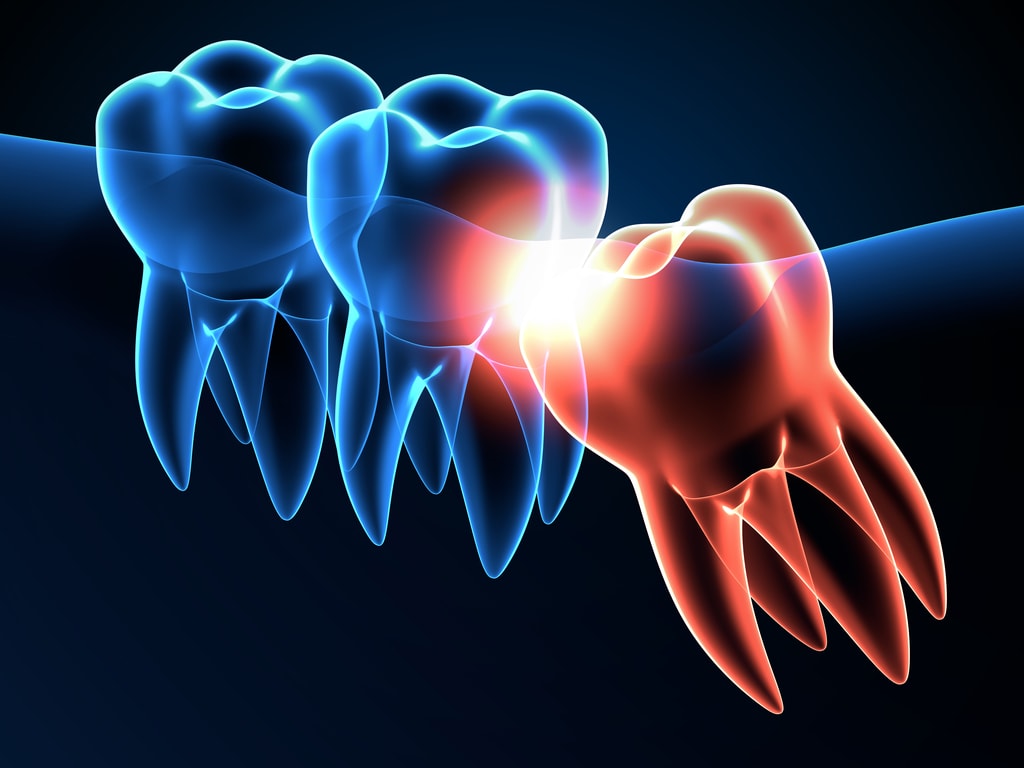
Removing wisdom teeth is often consider a rite of passage for teens, improving their overall oral health. Third molars, which usually appear between the ages of 17 and 25, often cause more harm than good. They can lead to significant dental problems if not managed properly. Common issues include pain, swelling, cavities, and gum disease, which can all stem from these late-blooming teeth. If wisdom teeth are left untreated, they can lead to even more severe complications later in life.
Knowing the reasons behind wisdom teeth extraction can alleviate anxiety. Often, removing these teeth is a preventive measure against future dental problems. The procedure is typically straightforward and, when performed by a skilled oral surgeon, comes with minimal risk of long-term complications.
Now, let’s explore the specific issues caused by impacted wisdom teeth and the preventive measures available.
Impacted Wisdom Teeth
Impacted wisdom teeth, or third molars, are those that don’t have enough room to emerge or develop normally. This lack of space can lead to the teeth becoming trapped within the jawbone or gums, where they may grow sideways or remain partially hidden. Such impaction can cause many problems, including pain, infection, and damage to nearby teeth. When impacted wisdom teeth press against the other teeth, they can form a food trap that is difficult to clean, which often leads to decay or gum disease of the tooth in front of it. Malposed wisdom teeth can also cause misalignment and other dental issues.
Such impaction can cause a host of problems, including:
- Pain
- Infection
- Damage to nearby teeth
- Misalignment or crowding, and other dental issues
Symptoms like jaw pain, swelling, or difficulty opening the mouth could indicate infection or gum disease around impacted wisdom teeth. In severe cases, surgery might be necessary to prevent further complications.
Extraction of impacted wisdom teeth is a common dental procedure performed by Oral Surgeons who are well-versed in handling wisdom tooth extraction cases.
Preventive Measures
Preventive measures are vital for maintaining oral health and avoiding wisdom teeth complications. Early removal is often advised to prevent issues like misalignment and gum disease. Dental specialists frequently advise removing wisdom teeth even if they are asymptomatic, as this can significantly reduce the risk of future complications.
Partially erupted wisdom teeth can create openings for bacteria, leading to an increased risk of gum disease and cavities. Extracting these teeth before they cause problems can help maintain optimal oral health. Additionally, removing wisdom teeth before orthodontic work can prevent crowding and ensure a smoother orthodontic experience.
Understanding IV Sedation

IV sedation significantly enhances the comfort and reduces the stress of wisdom teeth removal. It offers deep relaxation while keeping in a dream-like state. IV sedation is renowned for its reliability and safety, making it a trusted choice for many dental procedures. It is considered more effective than oral sedation for managing anxiety during dental procedures.
Familiarity with IV sedation can ease anxiety about the procedure. It greatly reduces discomfort, enhancing the overall dental experience. With IV sedation, patients can undergo the procedure without feeling any pain or stress, making it particularly beneficial for teenagers.
Here’s a closer look at what IV sedation entails and its benefits for late teens.
What is IV Sedation?
IV sedation, or intravenous sedation, is a method of anesthesia used during dental procedures to help patients feel relaxed and semi-conscious. It is administered through an IV line and effectively reduces the patient’s anxiety and awareness during the procedure. Patients typically feel drowsy and often do not remember much about the procedure, as if they were in a dream-like state. The level of sedation can be adjusted by the oral surgeon to ensure maximum comfort throughout the procedure.
Selecting a board-certified oral surgeon with specialized training in IV sedation ensures the procedure is conducted as safely and effectively as possible, providing an informed decision for a pain-free experience.
IV sedation makes the twilight sedation wisdom teeth removal process far more manageable and less intimidating.
Benefits of IV Sedation for Teenagers
IV sedation provides numerous benefits, particularly for teenagers. It alleviates the anxiety and fear often associated with oral surgery procedures. The deep relaxation provided by IV sedation ensures that the procedure is quicker and more efficient, as patients remain calm and still throughout.
The oral surgeon’s experience and expertise are crucial for patient safety and comfort during IV sedation. Knowing the procedure ahead of time helps teenagers approach it with less apprehension, assured of their comfort and relaxation.
Safety and Preparation
Safety is paramount with IV sedation. Patients usually need to fast for at least eight hours before the procedure to ensure effective sedation. Arranging transportation home after the procedure is important, as sedation effects can last for several hours. Use of IV sedation requires patients to have an escort to drive them home after the procedure. It’s crucial to plan for transportation home after wisdom teeth removal if sedation is used.
Informing the Oral Surgeon about any current medications is vital to prevent interactions with the sedatives. The surgical team closely monitors vital signs during the procedure to ensure safety. These measures create a stress-free environment, allowing patients to focus on recovery instead of worrying about the procedure.
The Procedure: Step-by-Step

Wisdom teeth removal is an outpatient procedure that ensures teenagers are comfortable and informed throughout. The process, from consultation to recovery, is carefully managed to minimize discomfort and ensure a smooth experience. Wisdom teeth removal is a common concern for many.
Recovery from wisdom teeth extraction can vary, typically lasting between three days to oneeek depending on individual circumstances and recovery time. Most patients recover fully within a few days to a week after wisdom teeth extraction. Most people have little to no pain after wisdom teeth removal. Knowing the steps involved can alleviate anxiety and ensure a successful outcome.
The procedure can be broken down into three main stages: pre-procedure consultation, the entire process of the procedure itself, and post-procedure care.
Pre-Procedure Consultation
The pre-procedure consultation is a crucial step. Removing wisdom teeth at a younger age is generally safer and ensures quicker recovery compared to later removal when the roots are fully developed. A deeply impacted wisdom tooth may require a referral to an oral surgeon for a specialized assessment.
Patients need to fast before receiving IV sedation. Many patients may be prescribed medication to reduce anxiety during the procedure. Feedback from past patients offers insights into the surgeon’s skill and approach to patient care.
Effective communication and aftercare instructions provided are essential when choosing the right oral surgeon.
During the Procedure
IV sedation is administered during the extraction to ensure the patient is relaxed. The oral surgeon then makes incisions in the gum tissue to carefully remove the teeth. This process is meticulously managed to prevent any complications and ensure a smooth extraction.
In the hands of a skilled Oral Surgeon, the procedure typically lasts about thirty minutes, and patients often have little to no recollection of it due to IV sedation. After the procedure, detailed aftercare instructions are provided for a smooth recovery.
Post-Procedure Care
Post-procedure care is vital for a smooth recovery. The Oral Surgeon and his/her team provide clear instructions on aftercare and medications to manage pain and prevent infections. Avoiding food after midnight on the day of the procedure ensures safe sedation. Oral gauze pads are frequently used after surgery to apply pressure to the area to minimize bleeding. Additional measures to minimize swelling and bleeding include elevating the head at least 45 degrees for six hours, applying ice off and on every 20 minutes for the remainder of the day. Avoiding straws and carbonated beverages for 5 days afterward and avoiding smoking for 1 week afterward help with healing and minimize prolonged pain.
A follow-up appointment is often needed to check healing and discuss any necessary lifestyle changes for optimal oral health. Following the dentist’s instructions during recovery is crucial to avoid complications and ensure a speedy recovery. A follow-up appointment is often necessary to check the healing process after extraction.
Recovery Tips for Teenagers

Recovery after wisdom teeth removal can be challenging, but the right tips can make it smoother. Rest is vital after IV sedation to aid recovery. Staying hydrated during the first few days with r liquids is recommended to prevent dehydration.
Avoiding straws and smoking for at least a week post-surgery aids healing. If pain levels elevate after initially improving, it can indicate complications and should be closely monitored. Persistent bleeding that doesn’t stop warrants contacting your Oral Surgeon.
Managing Pain and Swelling
Managing pain and swelling is essential for a comfortable recovery. Applying an ice pack can significantly reduce swelling and numb the area to alleviate pain. Ice packs should be applied intermittently for up to 48 hours for the best results.
Following the dentist’s pain management plan ensures minimal discomfort during recovery. Using prescribed pain medications as directed and keeping the head elevated can further reduce swelling and discomfort.
Diet and Nutrition
Diet and nutrition play key roles in the recovery process. Starting with clear liquids and gradually moving to soft foods like mashed potatoes and applesauce is recommended after surgery. Soft foods like Greek yogurt and smoothies are ideal for the first few days post-surgery.
Avoiding spicy, acidic, or crunchy foods is crucial as they can irritate the surgical sites. Consuming soft foods helps prevent irritation and promotes healing, ensuring a smoother recovery. It is important to eat soft foods during this time.
Activity Restrictions
Limiting activities is necessary to ensure proper healing. Avoiding physical activities that may raise your heart rate for the first five days is crucial to prevent complications. Refraining from strenuous activities and heavy lifting is essential during the initial recovery period.
Teenagers should avoid physical education classes or sports for at least a week post-surgery to aid recovery. Avoid excessive exercise for one week to ensure proper healing and reduce the risk of complications such as dry socket.
When to Contact Your Oral Surgeon
Knowing when to contact your oral surgeon is crucial to address any complications promptly. Some swelling, pain, and bleeding are normal after wisdom teeth removal. Swelling usually increases for 3 days after surgery and then begins to subside with most swelling resolving within one week. Pain should diminish daily after the second day. Minimal bleeding may continue for 24 hours. However, if unusual symptoms or complications arise, contact your oral surgeon immediately.
Excessive pain, increased swelling, or fever are critical indicators that require professional dental help. Here are specific signs of infection and other complications that might necessitate contacting your oral surgeon.
Signs of Infection
Recognizing signs of infection after wisdom teeth removal is crucial for timely intervention. An increase in pain and swelling after the initial recovery period of one week may indicate an infection. Facial swelling that worsens after the first five days can also signify infection. The presence of pus, or drainage around the extraction site is a clear indicator that medical attention is needed.
Prolonged bleeding beyond the first day also requires professional evaluation. Being aware of these signs and acting quickly can prevent serious complications and ensure smoother recovery.
Other Complications
While rare, nerve damage can occur during wisdom teeth extraction and may require immediate medical attention. This may include numbness of the lip, chin and/or tongue lasting more than one week. If suspected, promptly consult your oral surgoen to address any serious complications. Prolonged bleeding beyond the expected duration should also prompt a consultation with your oral surgeon.
Seeking professional help for these complications ensures they are addressed swiftly and effectively. Proper monitoring and communication with your oral surgeon can mitigate these risks and promote a healthy recovery.
Choosing the Right Oral Surgeon

Choosing the right oral surgeon ensures a safe and comfortable wisdom teeth removal experience. Selecting a qualified, board-certified oral surgeon can significantly impact the procedure’s outcome. Finding an oral surgeon with a strong background in both surgical skills and patient care is crucial, especially for procedures involving IV sedation.
Combining the right qualifications with experienced practitioners ensures a safe and comfortable experience during wisdom teeth removal. Here are the specific credentials and experiences to look for, along with the importance of patient reviews and testimonials.
Credentials and Experience
Verifying the oral surgeon’s education, training, and certifications in oral surgery is essential. A board-certified oral and maxillofacial surgeon indicates extensive training and expertise. which includes 4-6 years additional training beyond that of a general dentist. Experience with various sedation methods, especially IV sedation, is also crucial when choosing an oral surgeon.
Choosing a surgeon with substantial expertise in wisdom tooth extractions enhances the safety and comfort of the procedure. This experience helps in managing any complications that may arise and ensures a smoother overall process.
Patient Reviews and Testimonials
Patient reviews and testimonials play a significant role in the decision-making process for parents and teenagers considering wisdom teeth removal. Reading reviews provides insights into the experiences of other patients, highlighting aspects of care such as comfort, professionalism, and outcomes.
When evaluating testimonials, look for consistent patterns of satisfaction and quality of care received by previous patients. Choosing a qualified oral surgeon with positive reviews can greatly increase the likelihood of a positive experience during wisdom teeth removal with IV sedation.
Summary
In summary, wisdom teeth removal is a crucial step in maintaining optimal oral health for teenagers. Understanding why the procedure is necessary, the benefits of IV sedation, and the step-by-step process can help alleviate any anxiety associated with the surgery. Proper preparation, following aftercare instructions, and knowing when to contact your oral surgeon are essential components of a smooth recovery.
Choosing the right oral surgeon, with the appropriate credentials and positive patient reviews, ensures a safe and comfortable experience. By being well-informed and prepared, teenagers and their parents can navigate the journey of wisdom teeth removal with confidence and ease.
Frequently Asked Questions
Why is wisdom teeth removal necessary for teenagers?
Removing wisdom teeth during the teenage years can prevent pain, swelling, and dental problems like cavities and gum disease later in life. Taking this proactive step ensures a healthier smile and avoids future complications!
What is IV sedation, and how does it benefit teenagers during wisdom teeth removal?
IV sedation is a fantastic option for teenagers undergoing wisdom teeth removal, as it reduces anxiety, minimizes discomfort, and helps the procedure go smoothly. Embrace this approach for a more comfortable and stress-free experience!
What are some signs of infection to watch for after wisdom teeth removal?
Watch for increased pain and swelling, worsening facial swelling, pus around the extraction site, or prolonged bleeding—these are signs of infection that shouldn’t be ignored after your wisdom teeth removal. Staying alert and addressing these symptoms early will help ensure a smooth recovery!
How should teenagers manage pain and swelling after the procedure?
To manage pain and swelling effectively, use ice packs intermittently for up to 48 hours, take prescribed pain medications as directed, and keep your head elevated. Following these steps will help you feel better and recover faster!
What should be considered when choosing an oral surgeon for wisdom teeth removal?
Choosing the right oral surgeon for wisdom teeth removal is crucial, so ensure they are board-certified and check their education, training, and patient reviews. This will help you feel confident in your decision and have a positive experience.
Wisdom Tooth Specialist Dr. Chris Tye, MD, DDS, is a Board Certified Oral Surgeon serving the Dallas/Fort Worth Metroplex in Colleyville, TX. 817-552-3223
Ready to schedule a consultation? Contact us today to learn more about wisdom teeth removal with IV sedation and give your teen the best possible care for a healthy smile.
TXOSS © 2025